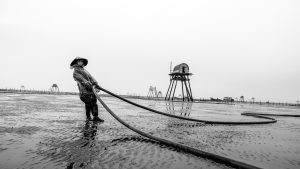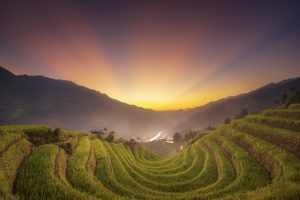

Light Ray in Photography
In photography, light ray (also known asGod rays, crepuscular raysLight passing through a gap is not merely a physical phenomenon. It is the “breath” of the frame, the catalyst that transforms an ordinary moment into an epic and absolutely cinematic work.
1. Tyndall effect: Transforms light into a physical object.
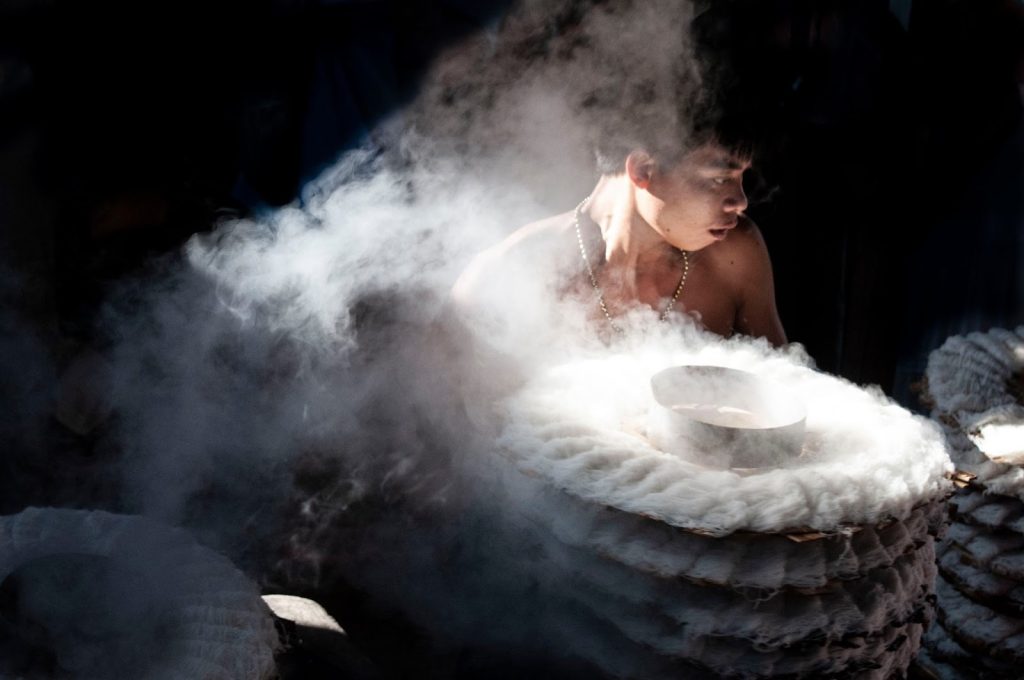
In traditional craft villages orIn the processing plant, the light rays are clearly visible thanks to the combination of strong light from the roof and the smoky, dusty, or steamy environment.
- – Cinematic qualities: Light rays not only illuminate but also createdepth of spaceIt divides the frame into areas of light and shadow (Chiaroscuro), creating a mysterious, tranquil yet powerful atmosphere.
- – Honoring labor: The rays of light shining directly on the workers amidst the hazy smoke are like a “direction” of nature, transforming the arduous daily work into an artistic film, celebrating the beauty of hard work.
2. The art of guiding and separating the subject
In these casesThe light ray acts as a “director” guiding the visual perception:
- – Natural Pathways (Leading Lines):The flow of light is the most visual arrow, guiding the viewer’s gaze directly to the heart of the story without any forced arrangement.

- – Isolation:By positioning the subject precisely within the light beam against a dark background, the photographer creates a powerful “spotlight” effect, elevating the subject to a new level of excellence.

- – Telling stories through light: Light rays can evoke feelings of sacredness, hope, or sadness depending on their intensity and color, helping a photograph convey a deeper message than words.
3. The secret to achieving those “absolutely cinematic” shots:
- – Look for contrast:Light rays only truly look beautiful when there’s a dark background behind them to highlight the light.
- – Using intermediate materials:Kitchen smoke, airborne dust, or morning mist are the “ingredients” that allow light rays to appear most clearly.
- – Camera angle:Backlit or side-lit photography is the “key” to creating rays.
- – Exposure control:Always prioritize exposing for the highlights to prevent the light rays from being overexposed, while simultaneously creating deep, dramatic shadows in the image.

The photos you share are truly exemplary examples of mastering light to tell a story. They are not just photographs, they are Stories of life are written in light.